

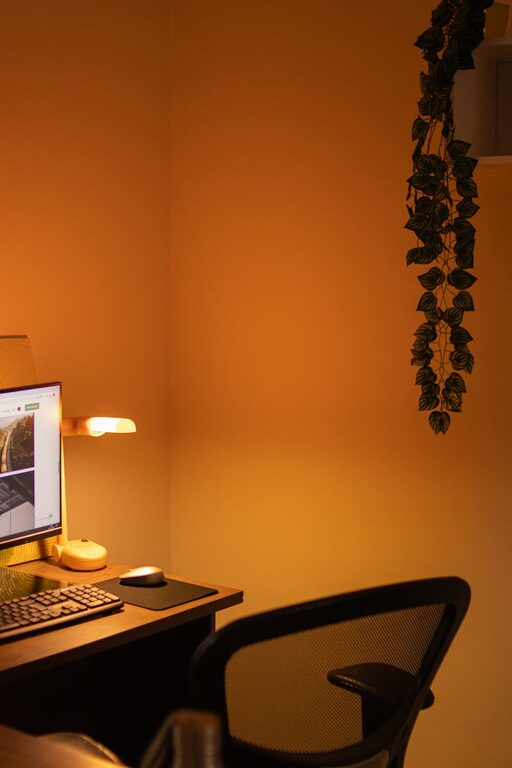
Creating a relaxing home office environment is essential for maintaining productivity and comfort during your workday. Whether you’re working remotely full-time or occasionally handling tasks from home, your workspace plays a significant role in how focused and energized you feel. This guide offers practical tips to help you design a calming and efficient home office that supports your best work.
Why a Relaxing Home Office Matters
A cluttered or uninspiring workspace can contribute to stress, distractions, and reduced motivation. On the other hand, a thoughtfully arranged home office fosters a sense of calm and focus. It helps you separate work from personal life, encouraging a healthy balance and improving overall well-being.
1. Choose the Right Location
Selecting a suitable spot for your home office lays the foundation for productivity and tranquility.
– Quiet and Private: Ideally, pick a room or corner away from high-traffic areas to minimize noise and interruptions.
– Natural Light: Set up near a window if possible. Natural light can boost mood and energy levels, reducing eye strain.
– Ventilation: Ensure good airflow to keep the space fresh and comfortable throughout the day.
2. Invest in Ergonomic Furniture
Comfortable furniture supports your body and helps prevent discomfort or injury.
– Ergonomic Chair: Choose a chair with adjustable height, good lumbar support, and cushioned seating.
– Adjustable Desk: If possible, use a desk that lets you alternate between sitting and standing.
– Monitor Placement: Position your computer monitor at eye level to promote good posture.
3. Declutter and Organize
An organized space reduces stress and distractions, promoting clearer thinking.
– Minimal Essentials: Keep only items you use regularly on your desk.
– Storage Solutions: Use shelves, drawers, and organizers to neatly store supplies.
– Cable Management: Tidy cables with clips or sleeves to avoid a messy look.
4. Personalize Your Space
Adding personal touches can make the workspace more inviting and inspiring.
– Plants: Indoor plants improve air quality and add a calming natural element.
– Artwork: Hang calming or motivating artwork that makes you feel good.
– Color Scheme: Use soothing colors like soft blues, greens, or neutrals for walls and decor.
5. Control Lighting
Good lighting eases eye strain and sets the right mood.
– Layered Lighting: Combine natural light with task lighting, such as a desk lamp, and ambient lighting.
– Adjustable Brightness: Use dimmable lights or smart bulbs to adjust brightness based on time and preference.
– Avoid Glare: Position screens and lights to avoid reflections and glare on your monitor.
6. Manage Noise Levels
Reducing unwanted noise helps maintain focus and calm.
– Soundproofing: Add rugs, curtains, or acoustic panels to absorb noise.
– White Noise: Use white noise machines or apps to mask distracting sounds.
– Headphones: Noise-canceling headphones can be useful when working in noisier environments.
7. Establish Clear Boundaries
Defining your workspace helps separate work time from personal time.
– Dedicated Workspace: Avoid working from your bed or couch to create a mental division between work and relaxation.
– Work Routine: Set regular work hours and break times to keep balance.
– Signage: Use a sign or door indicator if you share your space with others to minimize interruptions.
8. Incorporate Break and Relaxation Areas
Even a small home office can include a space for breaks to recharge.
– Comfortable Seating: A small chair or cushion allows for quick relaxation.
– Stretch Area: Allocate room for quick stretching or movement to reduce stiffness.
– Refreshments: Keep a water bottle or healthy snacks nearby to stay energized.
9. Use Technology to Your Advantage
Technology can streamline tasks and support a calm work environment.
– Task Management Apps: Organize your work with apps that help prioritize and track progress.
– Focus Tools: Use apps or timers to structure work sessions and breaks.
– Ergonomic Accessories: Invest in wireless keyboards, mice, or adjustable stands for comfort.
Final Thoughts
Designing a relaxing home office environment takes mindful planning but yields significant benefits in comfort and productivity. By creating a space that suits your needs and preferences, you can enjoy a more enjoyable and focused workday. Remember, your home office should support not only your professional goals but also your well-being. Take time to experiment and adjust your space as needed to find the perfect balance.